In a world where players usually take on the role of the hero, reverse horror games flip the script, letting them step into the shoes of the monster. Imagine controlling the very creature that sends shivers down everyone’s spine. It’s a thrilling twist that not only tests your strategic skills but also offers a fresh perspective on fear.
Overview of Reverse Horror Games
Reverse horror games provide a distinct twist on traditional horror themes. In these games, players embody the monster instead of the hero. This alternative perspective shifts the narrative focus, allowing players to experience the thrill of causing fear rather than escaping it.
Gameplay mechanics often emphasize strategic planning and creature abilities. Players must leverage the strengths of their monster to outsmart human opponents. Dead by Daylight exemplifies this concept, where players control killers while survivors attempt to escape. Every choice impacts the gameplay, making tactics crucial for success.
World-building plays a significant role in reverse horror games. Engaging environments enhance immersion through atmospheric design and sound effects. These elements create a sense of dread as players navigate their surroundings. The mood contributes to the overall experience, heightening the tension between predator and prey.
Popular titles in this genre challenge conventional gameplay. The Forest introduces survival aspects, pitting players against AI-controlled monsters while they seek resources. Within these scenarios, players are encouraged to strategize carefully, balancing aggressive actions with cautious planning.
Unique experiences arise from the blend of horror and strategy. Titles such as The Thing and Carrion exemplify this fusion, allowing players to engage in visceral gameplay. Monsters evolve, gaining new abilities as they progress, adding depth to the gaming experience.
Ultimately, reverse horror games push boundaries and redefine player roles in the horror genre. These innovative titles attract enthusiasts eager to explore new dimensions of fear and strategy. Engaging with this type of gameplay invites players to rethink their approach toward horror narratives and their dynamic.
Key Characteristics of Reverse Horror Games
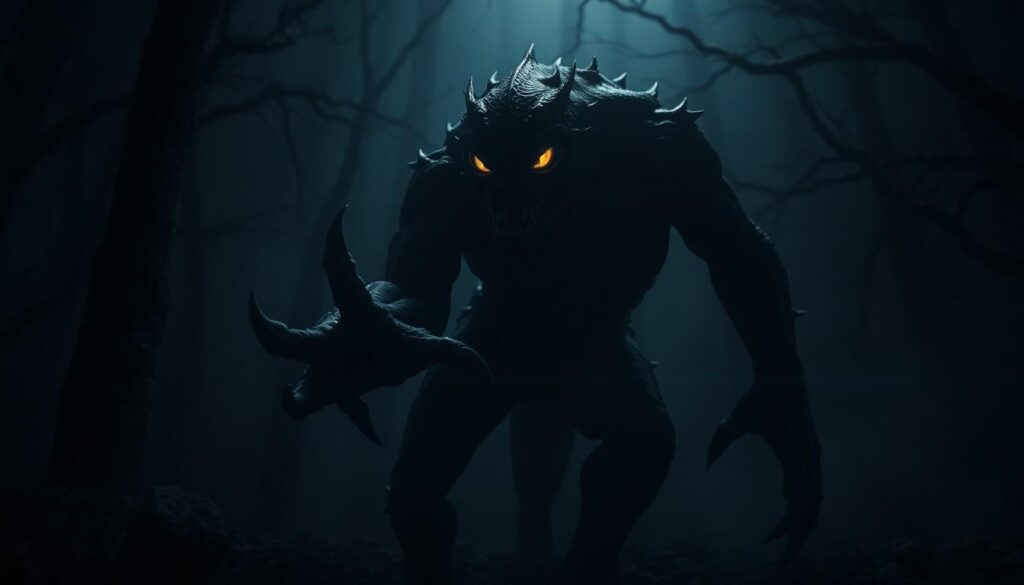
Reverse horror games offer a unique twist on traditional gameplay, focusing on the perspective of the monster. Players experience horror from the creature’s point of view, shifting the dynamic from survival to dominance.
Player Perspective
In reverse horror games, players embody the monster, leading to a different emotional experience. Control over the antagonist evokes a thrill that contrasts sharply with typical hero narratives. Players often feel empowered as they strategize ways to instill fear in their opponents. Engaging with horror this way makes every decision impactful. This change in perspective allows individuals to explore the psychological aspects of fear and dominance, enriching their gaming experience.
Gameplay Mechanics
Gameplay mechanics in reverse horror games highlight strategy and cunning. Players must utilize the unique abilities of their monsters effectively. Timing and decision-making become crucial, as actions can determine the outcome of encounters. Environmental interactions enhance the experience, allowing players to set traps or ambush their foes. Games like Dead by Daylight showcase this with skill-based systems that reward tactical play. Game design often incorporates a balance between aggression and stealth, which challenges players to adapt their strategies on the fly.
Notable Reverse Horror Games
Several titles stand out in the reverse horror genre, providing unique experiences that challenge traditional gameplay.
Dead by Daylight
Dead by Daylight offers a compelling multiplayer experience where one player assumes the role of a killer, while others act as survivors. Players use the killer’s abilities to hunt down and eliminate survivors. Each killer features distinct powers and abilities, fostering diverse gameplay strategies. Survivors, on the other hand, work together to repair generators and escape. Tactical decision-making and environmental awareness play critical roles in gameplay. The combination of high stakes and psychological tension creates a gripping atmosphere. Continuous updates and new character additions keep the game fresh, engaging players in an ongoing cycle of horror and strategy.
Carrion
Carrion presents a unique twist by allowing players to control an amorphous creature seeking revenge. Players navigate an organic terror through a facility while consuming human characters to grow stronger. Each encounter provides opportunities for strategic ambushes and environmental interactions. This approach fosters feelings of empowerment and dread as the creature evolves, gaining new abilities. Atmospheric visuals and immersive sound design enhance the horror experience. By flipping the script on the traditional monster role, Carrion invites players to explore fear from a fresh perspective. Balancing stealth and aggression defines each player’s strategy, resulting in a dynamic and thrilling gameplay experience.
The Evolution of Reverse Horror Games
Reverse horror games have significantly evolved since their inception. Early titles primarily focused on simple mechanics and scare tactics, often presenting monsters in traditional roles. Gradually, developers began exploring narrative depth, allowing players to experience the horror from the perspective of the monster.
Innovation in gameplay mechanics marked a turning point. Strategic elements emerged, compelling players to outwit human opponents. Different abilities became available for various creatures, encouraging players to develop tactics that highlight each monster’s strengths. As a result, teamwork and psychological interplay gained importance in the gaming experience.
World-building continues to enhance gameplay immersion. Designers invest in atmospheric environments that evoke sensations of fear and anticipation. Engaging settings not only heighten tension but also allow for creative trap placements and tactical ambushes. In contrast to previous simple designs, these environments now significantly influence player strategies.
Notable titles that shaped the genre include “Dead by Daylight.” This multiplayer game emphasizes tactical decision-making as one player embodies the killer. Survivors must collaborate, illustrating the importance of group strategy against a common threat. “Carrion” stands out with its unique approach, letting players control a monstrosity that grows stronger through consumption. This dynamic fosters feelings of power while also integrating survival elements.
The blend of horror and strategy continues to attract players. Reverse horror games challenge traditional narratives, compelling players to rethink their roles within the genre. Engaging deeply with these titles has led to innovative storytelling and gameplay experiences that resonate with audiences seeking fresh perspectives on fear and tactics.
Conclusion
Reverse horror games redefine the gaming experience by flipping traditional narratives on their head. Players find themselves in the shoes of the monster, embracing a unique blend of strategy and psychological tension. This genre not only empowers players but also encourages them to think critically about their actions within immersive environments.
As developers continue to innovate, reverse horror games are likely to evolve further, offering deeper narratives and refined gameplay mechanics. This evolution keeps players engaged and eager for more, ensuring that the thrill of instilling fear remains a captivating experience. The future of reverse horror games promises to be as exciting as it is terrifying, inviting players to explore the darker side of gaming.