Table of Contents
ToggleFinal Fantasy 7 concept art stands as one of gaming’s most influential creative blueprints. Long before Cloud Strife swung his Buster Sword across players’ screens, the visual architects at Square (now Square Enix) laid down the foundation for what would become one of the most iconic games ever made. The concept art didn’t just guide development, it fundamentally shaped how an entire generation visualized RPGs. From the sprawling steel metropolis of Midgar to the intricate character designs that became instantly recognizable, every visual element was deliberate, purposeful, and groundbreaking for 1997. Understanding FF7’s concept art reveals not just how the game was made, but why it endured as a cultural phenomenon. The sketches, paintings, and digital designs reveal the creative decisions that turned a PlayStation into a time machine, and the artists’ vision that proved 3D gaming didn’t have to sacrifice artistic identity.
Key Takeaways
- Final Fantasy 7 concept art established a foundational visual language by blending anime-influenced character design with early 3D technical constraints, creating instantly recognizable characters like Cloud Strife that defined late-90s gaming.
- Midgar’s layered environmental design communicated story through architecture, with the Plates suspended above slums visually representing corporate power and social hierarchy through intentional world-building choices.
- FF7 concept art proved that iconic weapon design, like the Buster Sword’s exaggerated proportions, prioritizes readability and animation impact over realism, a philosophy that influenced contemporary game design across the industry.
- The original concept art’s careful color palette choices—from industrial grays in Midgar to vibrant neons in the Golden Saucer—conveyed gameplay information and thematic messaging that remain visually distinctive decades later.
- FF7 concept art continues serving as essential reference material for modern developers and artists, demonstrating how smart design choices can overcome technical limitations without sacrificing artistic vision.
- The FF7 Remake evolved original concept art designs through modernization rather than revolution, proving that the source material’s visual foundation was so successful it required respectful evolution, not abandonment.
The Origin Of FF7’s Visual Direction
Akira Toriyama’s Character Design Influence
Akira Toriyama, legendary character designer behind Dragon Ball and Dragon Quest, didn’t directly work on FF7, but his fingerprints were all over the game’s visual DNA. The character proportions, expressive faces, and dynamic poses echoed the manga and anime aesthetic that Toriyama popularized. Square’s design team studied the balance between anime-influenced features and the demands of early 3D character modeling. Cloud’s spiked hair, exaggerated proportions, and dramatic silhouette owed more to Toriyama’s design philosophy than traditional Western game aesthetics. This fusion created something entirely new, characters that felt both playable and cinematic, even when rendered in the limited polygons of the original PlayStation.
The concept sketches from this period show artists wrestling with how to translate 2D anime sensibilities into 3D space. Early Cloud designs ranged from relatively realistic to almost chibi-proportioned. The final version, with his oversized shoulders, impossibly tall spiky hair, and brooding expression, became the visual template that defined late-90s gaming.
The Shift From 2D To 3D Graphics
FF7 arrived at a pivotal moment when the industry was transitioning from pre-rendered 2D to real-time 3D. The concept art reflects this technical turning point. Artists created detailed 2D paintings for environments that would eventually become 3D polygon models. Midgar’s towering architecture, the lush Golden Saucer, and the desolate Nibelheim all began as 2D concepts before 3D teams converted them into playable spaces.
This process created a unique visual language. The concept art had photorealistic lighting and shading, but the actual in-game models were simplified for performance. Rather than looking cheap, the disconnect created a distinctive aesthetic that’s held up surprisingly well decades later. The team prioritized silhouette clarity and memorable shapes over technical accuracy. A boss enemy in concept art might have intricate details, but in-game only the most recognizable features were rendered. This forced prioritization actually strengthened the design.
The shift to 3D also meant rethinking weapon design. Swords, guns, and special equipment needed to read clearly from any camera angle during combat. The concept sketches show multiple iterations where designers tested visibility and impact.
Key Concept Art Collections And Their Significance
Character Development Sketches
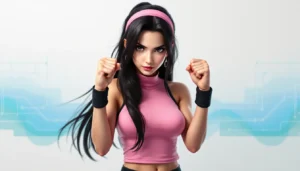
FF7’s character concept art reveals the iterative process behind iconic designs. The sketches show multiple versions of each party member, from early rough drafts to polished final designs. Aerith went through numerous variations in her dress and hair color, some versions were far more modest, others more elaborate. Barret’s gun-arm (the Gunblade-adjacent Catastrophe) was a late design decision: earlier sketches showed more conventional armed limbs. Tifa’s martial artist design needed careful balance between functionality and distinctive silhouette.
What’s striking about these sketches is how much thought went into proportions. Each character needed to be instantly recognizable in the isometric camera view of the original game. Distinctive clothing colors, hairstyles, and body shapes made characters readable at distance. Red XIII’s design shows multiple iterations on his animal form, balancing feline grace with humanoid bipedalism. Vincent’s elaborate coat and mysterious appearance required concept artists to communicate his enigmatic nature through visual design alone.
These character sketches also document the artists’ understanding of FF7’s world. Clothing reflected social class, Wall Market denizens looked different from Nibelheim villagers. Gear and accessories told stories. Aerith’s flower merchant outfit says something different than her battle dress. The concept art proves design wasn’t arbitrary: every visual choice communicated character and world.
Environmental And Location Designs
Midgar’s environment concept art is perhaps the most crucial document in understanding FF7’s visual impact. Multiple massive paintings show the layered structure of the city, the massive Plates suspended above slums, the industrial infrastructure, the reactor towers. These weren’t just pretty pictures: they became the architectural blueprint for the entire game world.
The concept paintings reveal attention to world-building details that many players never consciously noticed. Power lines, scaffolding, rust, decay, all carefully considered in the environmental designs. The Golden Saucer’s carnival aesthetic contrasts sharply with Nibelheim’s Victorian architecture and Cosmo Canyon’s alien rock formations. Each region’s concept art establishes distinct visual identities.
Coastal Town Corel and the Forgotten Capital each received detailed environmental concept work. Artists designed multiple iterations of each location, testing camera angles, lighting conditions, and player pathways. The concept art shaped level design: environmental artists referenced these paintings when building the 3D spaces. Notable is how the team considered environmental storytelling, visual elements that communicate lore without exposition.
Weapon And Equipment Artwork
FF7’s weapon designs are some of the most iconic in gaming, and the concept art shows why. The Buster Sword evolved through multiple iterations before reaching its final chunky, oversized form. Concept sketches show the sword’s proportions being gradually exaggerated, it needed to read clearly in-game while remaining believable as a held weapon. The Limit Break animations demanded weapons that animated well and had clear impact.
Other weapons received equally detailed treatment. Aerith’s staves, Barret’s various gun-arms, Red XIII’s armor and accessories, each had concept sketches exploring form and function. Tifa’s gloves went through revisions to feel both practical and visually interesting. Vincent’s various weapons reflected his mysterious past through exotic designs.
Armor and accessory designs connected to the game’s materia and leveling systems. The concept art shows how equipment would visually change party members as players progressed. A character wearing basic leather armor looked noticeably different from one in high-end platemail. This visual feedback system was crucial for player progression feeling meaningful.
Cloud Strife: The Most Iconic Character Design
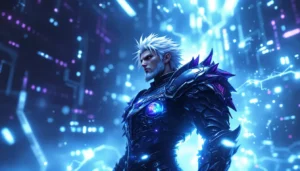
Cloud Strife’s concept art deserves separate attention because his design became the visual representation of an entire generation’s gaming identity. The Buster Sword, the spiky blonde hair, the dark SOLDIER uniform, these elements became instantly recognizable worldwide. That didn’t happen by accident: it was the result of intentional concept art decisions.
Early Cloud sketches show the character going through dramatic iterations. Some versions were closer to traditional anime bishonen (beautiful youth) archetypes. Others explored more realistic proportions. The final design split the difference, distinctly anime-influenced but grounded enough to feel like a believable warrior. The oversized shoulders and exaggerated proportions make him instantly readable as a strong character.
The SOLDIER uniform’s design carries visual weight. The segmented armor, the distinctive shoulder guards, the whole silhouette communicates elite military status. Concept art shows designers refining these elements through multiple passes. The goal was creating a character who could stand alone in marketing materials and be instantly recognizable. They succeeded spectacularly.
Evolution Of The Buster Sword And Limits
The Buster Sword’s concept journey is a masterclass in iconic weapon design. Early sketches show more traditionally proportioned swords. Designers gradually exaggerated the blade size until it reached almost comical proportions, impossibly large relative to Cloud’s body. Yet in-game, this design choice makes perfect sense. The oversized blade is instantly readable in combat, looks devastating, and reads clearly during the stylized Limit Break animations.
The Limit Break concept art is essential to understanding why the weapon design evolved this way. Cloud’s Omnislash and other Limit Breaks required a weapon with clear impact and dynamic movement potential. A realistic sword wouldn’t animate as dramatically. The exaggerated proportions became a feature, not a bug. Players watching Cloud swing the Buster Sword felt the weight and power through the visual design.
Concept sketches show multiple Limit Break weapon variants, different swords Cloud would acquire through the game. Each needed visual distinction while maintaining the core Buster Sword silhouette. The design language remained consistent while adding visual progression. By endgame, players understood Cloud’s power partly through his upgraded weapons looking increasingly impressive.
Costume Variations Throughout The Story
Cloud’s costume changes represent some of FF7’s most memorable visual moments. The concept art for his disguise in Wall Market, his Nibelheim hometown outfit, and various alternate costumes shows how designers understood costume as storytelling. The Wall Market dress concept art is particularly interesting, it needed to be distinctive, slightly comedic, and readable in the game’s camera perspective.
Each costume change communicated something about Cloud’s character journey. His SOLDIER uniform represents his past. His Nibelheim outfit grounds him in his origins. The various optional costumes available for New Game+ allow players to visually explore different versions of Cloud. The concept art for these costumes ranged from realistic to deliberately silly, reflecting how the developers understood FF7’s tonal range.
The developers’ approach to Cloud’s visual representation extended to the Remake. The concept work that transformed Cloud’s character into the modern PS5 iteration had to honor the original design while updating proportions for contemporary graphics. This wasn’t a complete redesign, it was evolution with respect for the source material.
Midgar’s Visual Aesthetic And World-Building
The Plate Structure And Urban Design
Midgar’s visual design is the stage upon which FF7’s story unfolds, and the concept art reveals it as one of gaming’s most carefully designed fictional cities. The massive Plates suspended above the slums didn’t exist to look cool, they represented Shinra Electric Power Company’s stranglehold on society. Every visual element communicated theme and story.
The concept paintings show Midgar from multiple perspectives, revealing the vertical hierarchy the plates created. The wealthy lived above, literally elevated from the poor below. The industrial reactor towers loomed over everything, visual symbols of corporate power. This wasn’t subtle environmental storytelling: it was architecture as narrative.
Designers reference real cities when planning Midgar’s concept art. The layered infrastructure borrowed from industrial cities like Tokyo and New York. The vertical structure created gameplay opportunities, exploration could move up or down, revealing new areas. The concept art shaped this gameplay by first establishing the visual logic of how the city functioned.
Key locations like the Sector 7 Plate and the Highwind’s landing pad each received detailed environmental concepts. Artists considered sightlines, camera angles, and environmental hazards. The concept art served as reference material for level designers implementing these spaces in 3D.
Enemy And Boss Design Philosophy
FF7’s enemy designs, documented in extensive concept art, followed a philosophy of visual clarity and narrative cohesion. Enemies weren’t random creatures, they were Shinra robots, mutated creatures, or corrupted by Mako. The concept art shows designs that visually communicated their origins.
Bosses received particular attention. Concept sketches for major encounters like Haymaki (Scorpion Guardian) show multiple iterations before reaching the final designs. Each boss needed distinctive silhouettes readable in combat, and multiple concept sketches explored form, proportions, and visual impact. The design philosophy prioritized immediate visual distinctiveness, a player should know instantly which boss they’re facing.
The concept art also documents Sephiroth’s various forms, particularly his late-game transformations. These designs needed to escalate in visual spectacle while maintaining visual connection to the character. The progression from SOLDIER Sephiroth to his eventual godlike forms showed escalating threat through increasingly alien and impressive designs.
Weaker enemies in concept art show how developers prioritized readability. A Guard Scorpion uses colors and proportions that make it instantly recognizable as a mechanical threat. Slime enemies have gelatinous designs clearly distinct from robotic enemies. The variety in enemy design kept combat visually interesting across hundreds of encounters.
The Role Of Color Palette And Art Direction
Color palette choices in FF7 concept art weren’t decorative, they were fundamental to world-building and player navigation. Midgar’s industrial grays and steel blues communicated corporate sterility. The Golden Saucer’s vibrant neons established a completely different environment. Costa del Sol’s warm tropical colors contrasted with the frozen north. Each region’s color palette was established in concept art before 3D implementation.
Character color design followed similar logic. Cloud’s dark uniform contrasts with Aerith’s soft pinks and whites. Barret’s darker clothes and metallic gun-arm read as industrial. Red XIII’s vibrant fur stands out in any environment. The concept art shows how color was used to make characters instantly readable in crowded scenes.
Color also communicated visual hierarchy and storytelling. Important NPCs received distinctive color schemes. Enemies wearing Shinra colors looked visually different from natural creatures. Mako-corrupted areas displayed sickly greens and blues. The color palette conveyed story information visually, reducing reliance on exposition.
Lighting in concept paintings showed artists’ understanding of how lighting would guide player attention in 3D spaces. Dark areas directed focus: bright areas drew the eye. The concept art for indoor vs. outdoor spaces showed dramatically different lighting approaches. This foundation influenced how lighting was implemented in the actual game, contributing to FF7’s distinctive visual atmosphere.
The team’s color choices aged remarkably well. Modern discussion of FF7’s visuals often comments on how distinctive the color palette remains even on original hardware. This longevity stems from color choices established in the concept art phase, purposeful, thematic, and interconnected throughout the world.
Legacy Of FF7 Concept Art In Modern Gaming
Influence On The Remake And Rebirth
The FF7 Remake’s artistic direction faced an interesting challenge: modernizing iconic designs while respecting the original concept art. Lead character designer Nomura didn’t abandon the original concepts: he evolved them. Cloud’s oversized proportions are toned down for contemporary realism, but the distinctive silhouette remains recognizable. Aerith’s design keeps her original color palette and general shape while updating details for PS5 graphics.
This isn’t unique reverence, many remakes distance themselves from source material. The FF7 Remake team understood that the original concept art succeeded so completely that evolution, not revolution, was the right approach. The character designs stay visually connected to Toriyama-influenced aesthetics while feeling contemporary.
FF7 Rebirth continues this philosophy. New environments expand Midgar’s visual language established in the original concept art. The Rusty Bucket exterior locations maintain the industrial aesthetic. Costa del Sol’s beach resort vibe stays true to the original’s tropical color palette. The concept artists working on Rebirth are essentially extending conversations started decades earlier with the original concept paintings.
The Remake’s environmental design owes massive debt to the original concept art. Midgar’s layered structure, the Plate’s massive underbelly, the reactor design, all follow the visual logic established in 1990s concept paintings. Modern artists have the advantage of fulfilling the original vision with contemporary technology. Where the original could only suggest architectural details, the Remake renders them fully.
Inspiration For Contemporary Game Design
FF7 concept art influenced an entire generation of game artists. The approach to character design, balancing anime aesthetics with gameplay readability, became a template countless games adopted. You see echoes in character design across modern JRPGs, action games, and anime-influenced titles.
The environmental design philosophy established precedent for how fiction cities could be structured. Vertical sprawls representing social hierarchy, layered transportation systems, industrial aesthetics for corporate power, these became common visual language in game design. FF7 didn’t invent these concepts, but the concept art made them accessible and reproducible for subsequent developers.
The weapon design approach influenced how developers thought about iconic gear. The Buster Sword’s exaggerated proportions, optimized for readability and animation impact, became a template for memorable fantasy weapons. Many contemporary games feature similarly oversized, visually distinctive weapons that prioritize being impressive over being realistic.
Color palette theory learned from FF7 concept work appears across modern gaming. The understanding that color communicates gameplay information, danger through red, healing through green, Mako corruption through sickly blue, became standard practice. Environmental color coding helps players navigate complex spaces without explicit instruction.
Perhaps most importantly, FF7 concept art proved that early-generation 3D games didn’t need to sacrifice artistic vision for technical limitations. The distinctive aesthetic didn’t emerge from advanced hardware: it emerged from smart design choices documented in concept paintings. This lesson continues resonating as artists navigate new technical constraints and possibilities.
Where To Find And Experience FF7 Concept Art Today
Official Art Books And Collections
Square Enix has published multiple official art collections featuring FF7 concept material. The most comprehensive is the “Final Fantasy VII Remake: World Preview” and associated collections that compile concept art, environment paintings, and character sketches. These aren’t casual coffee table books, they’re reference materials that serious artists study.
The original Japanese “Final Fantasy 25th Memorial Ultimania” features extensive FF7 concept sections. Getting Japanese import versions can be pricey, but dedicated collectors consider them essential. These books often include artist commentary explaining design decisions, revealing why specific choices were made.
Square Enix’s digital storefronts sometimes offer digital versions or supplementary materials. The Remake’s release prompted new collections focusing specifically on modernized designs alongside original concepts. Fans interested in understanding design evolution get both versions for comparison.
Various collector’s editions of FF7 Remake come with art book inclusions. While not substitutes for dedicated concept art books, they provide accessible entry points for casual fans interested in the visual development process. The concept art sections often include original sketches, revised iterations, and final designs side by side.
Warning: unofficial art compilations circulate online, often with questionable image quality or incomplete attributions. Official collections ensure proper image quality and artist credit. Supporting official releases encourages continued publication of high-quality art documentation.
Digital Archives And Museum Exhibitions
Major gaming museums and exhibitions increasingly feature FF7 concept art. The Smithsonian’s video game exhibitions have showcased FF7 materials. The Museum of Modern Art in New York has exhibited gaming art, occasionally including FF7 pieces. These exhibitions contextualize concept art within broader art history conversations.
Digital archives present challenges, official high-resolution concept art remains somewhat restricted. Square Enix controls distribution carefully, and the original concept art exists in various media formats (oil paintings, digital, mixed media) with preservation considerations.
FF7 Anniversary events sometimes feature concept art exhibitions or digital galleries. Social media accounts dedicated to video game art occasionally share higher-resolution versions of public domain concept images, though sourcing can be murky.
Fan sites and gaming journalism outlets like Siliconera occasionally run deep dives into FF7’s visual development, featuring concept art alongside analysis. These articles combine visual documentation with contextual information about design decisions. Publications like Game Informer have covered FF7’s artistic legacy in feature articles.
For serious students of game design, direct access to original art remains limited. The best bet remains official published collections and authorized exhibitions. The Remake’s success has prompted increased availability of concept materials, suggesting future official digital archives may become more comprehensive.
Community preservation efforts exist, fan wikis and databases compile available concept art with proper attribution. While not official, these resources serve as accessible reference materials. RPG Site and similar gaming journalism outlets occasionally feature concept art retrospectives with sourced images and historical context.
Social media has emerged as an unexpected concept art repository. Official Square Enix accounts occasionally share historical materials. Following gaming art communities reveals fan-created compilations analyzing FF7’s visual evolution. The decentralized nature makes curation challenging, but passionate communities maintain these archives actively.
Conclusion
Final Fantasy 7’s concept art represents a foundational moment in gaming visual development. The sketches, paintings, and design documents created in the early 1990s established visual language that remains influential decades later. These weren’t just pretty pictures, they were functional blueprints that shaped every aspect of one of gaming’s most significant titles.
The influence extends far beyond nostalgia. Contemporary developers studying game design encounter FF7 concept art as essential reference material. The balance between anime aesthetics and 3D readability, the use of color and environmental design to communicate narrative, the prioritization of silhouette clarity, these principles remain relevant in an era of photorealistic graphics.
For fans, understanding FF7’s concept art deepens appreciation for the game’s visual achievement. Knowing the iterations Cloud underwent, the careful consideration of Midgar’s layered structure, the intentionality behind every environmental design choice, transforms the game from enjoyable entertainment into a studied work of visual communication.
As Final Fantasy 7 Rebirth and subsequent entries continue the legacy, the original concept art serves as a touchstone. It represents the moment visionary artists proved that the transition to 3D graphics didn’t require abandoning artistic identity. That lesson, visual and philosophical, continues shaping gaming culture. The concept art isn’t historical artifact, it’s a living reference document that keeps influencing how games look, play, and tell their stories. For anyone serious about understanding video game visual design, FF7 concept art remains essential study material. The pixels and polygons may have aged, but the ideas behind them remain fundamentally sound.